January 8, 2026
This article explores the critical role timely vacuum pump repairs play in enhancing manufacturing efficiency. By understanding the importance of maintaining essential equipment, manufacturers can greatly reduce downtime, improve productivity, and ultimately enhance their bottom line. Vacuum pumps are integral in multiple manufacturing processes, ensuring that businesses operate smoothly and efficiently. Due to their crucial role, any malfunction or failure can significantly disrupt production and reduce efficiency across various sectors. Recognizing the signs of wear and conducting timely repairs not only optimizes operations but also prevents potential catastrophic failures that could lead to extended downtime.
Understanding the Role of Vacuum Pumps in Manufacturing
The Function of Vacuum Pumps
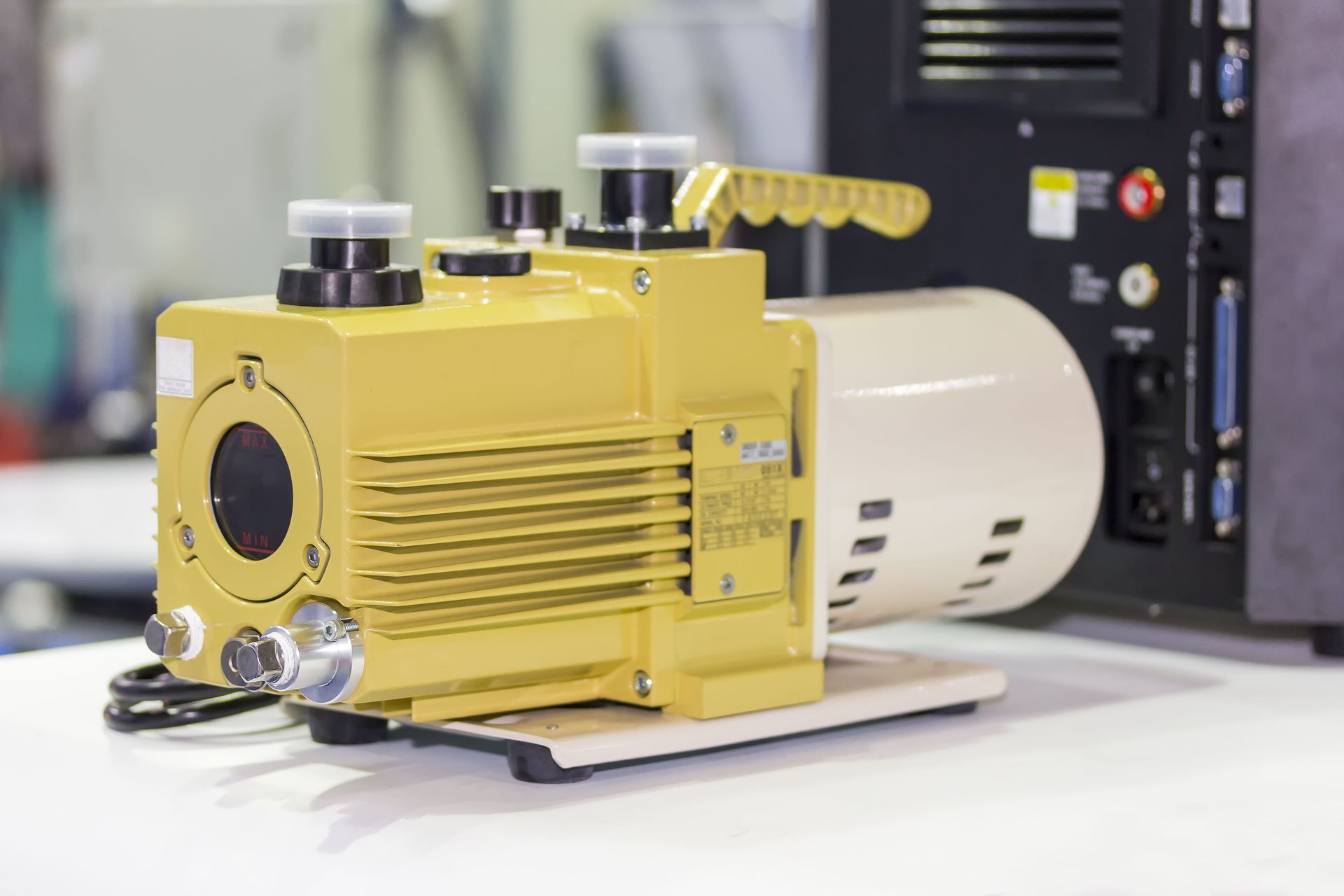
Vacuum pumps play a vital role in many industrial processes by creating vacuum pressure necessary for various manufacturing activities. They are used to remove air and gases from sealed environments, enabling processes sensitive to atmospheric pressure to proceed without impediment. This includes processes like vacuum packaging, material handling, and even semiconductor manufacturing. By ensuring a clean and controlled manufacturing environment, vacuum pumps help maintain product integrity and quality. Well-maintained pumps operate optimally, reducing energy consumption and preventing contamination, thus enhancing production processes.
Types of Industries Relying on Vacuum Pumps
Numerous industries depend on vacuum pumps, with significant reliance noted in sectors like pharmaceuticals, food processing, and electronics. In the pharmaceutical industry, vacuum pumps are essential for processes such as freeze-drying and capsule filling, which require precise control over pressure conditions. Food processors use them extensively for packaging perishable goods, removing air to extend shelf life and ensure product freshness. In electronics, vacuum pumps are critical during the production of semiconductors, where they ensure the removal of contaminants and facilitate the deposition of materials. As of 2024, according to IBISWorld, there were over 617,000 manufacturing businesses in the U.S. that potentially depend on these technologies to various extents.
Common Applications in Manufacturing
Vacuum pumps find applications across numerous manufacturing processes, acting as pivotal components in material handling, degassing, and extrusion processes. In the printing industry, for instance, vacuum pumps help stabilize sheets of paper, ensuring precision and quality in printing tasks. Pumps are also utilized in molding plastic components, where they help create smooth and uniform products by removing air bubbles from plastic during the molding process. Without the effective removal of air, these processes can result in defects, lowering product quality and yield. Therefore, timely maintenance of these units is crucial to maintaining high manufacturing standards.
The Impact of Malfunctioning Vacuum Pumps
When vacuum pumps malfunction, they can cause significant disruptions in manufacturing processes. Equipment downtime can result in production halts, leading to missed deadlines and financial losses. Malfunctioning pumps may also contribute to inferior product quality due to inconsistent pressure levels, affecting the final product's integrity. In severe cases, faults in a vacuum system can lead to safety hazards, particularly in industries dealing with volatile materials or chemicals. Regular inspections and repairs prevent these adverse outcomes, maintaining operational stability and safeguarding assets against unexpected breakdowns.
Case Studies: Successful Utilization of Vacuum Pumps
The pharmaceutical industry illustrates how well-maintained vacuum pumps contribute to streamlined operations. In one case, a leading pharmaceutical company implemented a rigorous maintenance schedule, reducing equipment failure incidents by over 50%. This strategy led to enhanced production throughput and minimized downtime, showcasing how timely interventions can significantly escalate efficiency. Another example can be found in food manufacturing, where regular vacuum pump maintenance resulted in decreased package failures, thereby elevating customer satisfaction. These case studies underscore the strategic value of investing in timely repairs and routine maintenance to improve manufacturing outcomes.
Common Causes of Vacuum Pump Failures
Wear and Tear Over Time
All mechanical systems, including vacuum pumps, experience wear and tear as they age, resulting in diminished operational efficiency. Continuous use can cause components within the pumps to degrade, leading to leaks and decreased vacuum pressure. Factors such as vibration, friction, and temperature fluctuations accelerate this process, necessitating regular inspections. Over time, seals and bearings may deteriorate, requiring replacements to restore the system's performance. Identifying and addressing wear promptly prevents costly repairs and extends equipment lifespan, ensuring long-term efficiency.
Poor Maintenance Practices
Poor maintenance is a significant factor contributing to vacuum pump failures, often leading to expensive repairs and operational delays. Neglecting routine checks can result in undetected issues such as blockages or oil contamination, which can compromise pump efficiency. Ensuring that staff are well-trained in maintenance procedures can mitigate these risks, enhancing equipment reliability. Additionally, implementing a structured maintenance schedule allows for timely identification of potential issues. This proactive approach fosters a culture of care and attention to detail within the manufacturing environment, safeguarding equipment and resources.
The Effect of Extreme Operating Conditions
Extreme operating conditions, including high temperatures and corrosive environments, accelerate component degradation in vacuum pumps. These harsh conditions contribute to increased stress on the equipment, reducing its operational lifespan. For example, in environments that involve high levels of dust and debris, pumps are more susceptible to blockages and damage. Adapting equipment specifications to suit specific environmental conditions can alleviate these stresses, ensuring better long-term performance. Manufacturers must consider these factors when planning maintenance and operational strategies to mitigate the adverse impacts of extreme conditions.
Inadequate Design or Installation
Poor design or improper installation of vacuum pumps can precipitate frequent failures and inefficiencies. Incorrect sizing can lead to underperformance or excessive strain, while inadequate installation can result in vibration issues or flange misalignments. To mitigate these risks, manufacturers should collaborate with experienced vendors when selecting and installing vacuum pumps. Proper design and installation not only ensure that the equipment meets operational demands but also prevent unnecessary wear and early failures. By prioritizing precision during these early stages, companies can significantly enhance their systems' reliability and efficiency.
Operator Errors Leading to Failures
Error on the part of operators can contribute significantly to vacuum pump failures, underscoring the need for comprehensive training programs. Lack of knowledge about proper pump operation can result in equipment misuse, exacerbating wear and promoting early breakdowns. Continuous education and training of operators help reduce these errors, promoting proper usage and fostering accountability. Simulation and hands-on training modules ensure that staff are prepared to manage equipment effectively. Consequently, well-informed operators are integral to preventing equipment damage and ensuring smooth manufacturing operations.
The Benefits of Regular Maintenance Checks
Early Detection of Potential Issues
Regular maintenance checks are crucial for the early detection of potential vacuum pump issues, preventing costly breakdowns. Routine inspections allow operators to identify abnormal sounds, leaks, or pressure inconsistencies indicative of underlying problems. Addressing these early signs prolongs equipment lifespan and ensures continuous operation without unexpected disruptions. This proactive approach ultimately enhances manufacturing efficiency by avoiding the costs and delays associated with major repairs. Furthermore, inspecting equipment regularly instills a culture of accountability and diligence among staff, emphasizing the importance of equipment care.
Increasing the Lifespan of Equipment
Conducting regular maintenance extends the functional life of vacuum pumps, providing significant cost savings over time. By preemptively addressing issues like worn seals or bearings, manufacturers can prevent escalation into serious faults, reducing the need for expensive replacements. Effective maintenance strategies also include timely lubrication and cleaning, which minimize friction and prevent damage from debris. In the long term, these practices preserve equipment integrity, allowing it to operate efficiently over its intended lifespan. As a result, businesses can maintain productivity levels without needing frequent investments in new equipment.
Timely repairs and regular maintenance of vacuum pumps are vital for maximizing manufacturing efficiency. By understanding the importance of these practices, implementing strategic maintenance schedules, and adopting new technologies, manufacturers can ensure seamless operations, optimize productivity, and maintain a competitive edge in the industry. The insights and strategies presented in this article highlight the crucial role of vacuum pumps in enhancing manufacturing outcomes. As the industry continues to innovate and evolve, prioritizing effective equipment management remains a strategic imperative, supporting long-term success and sustainability. Be sure to reach out to Vacuum Pump Rebuilders today for more information on our professional vacuum pump repairs!