February 20, 2026
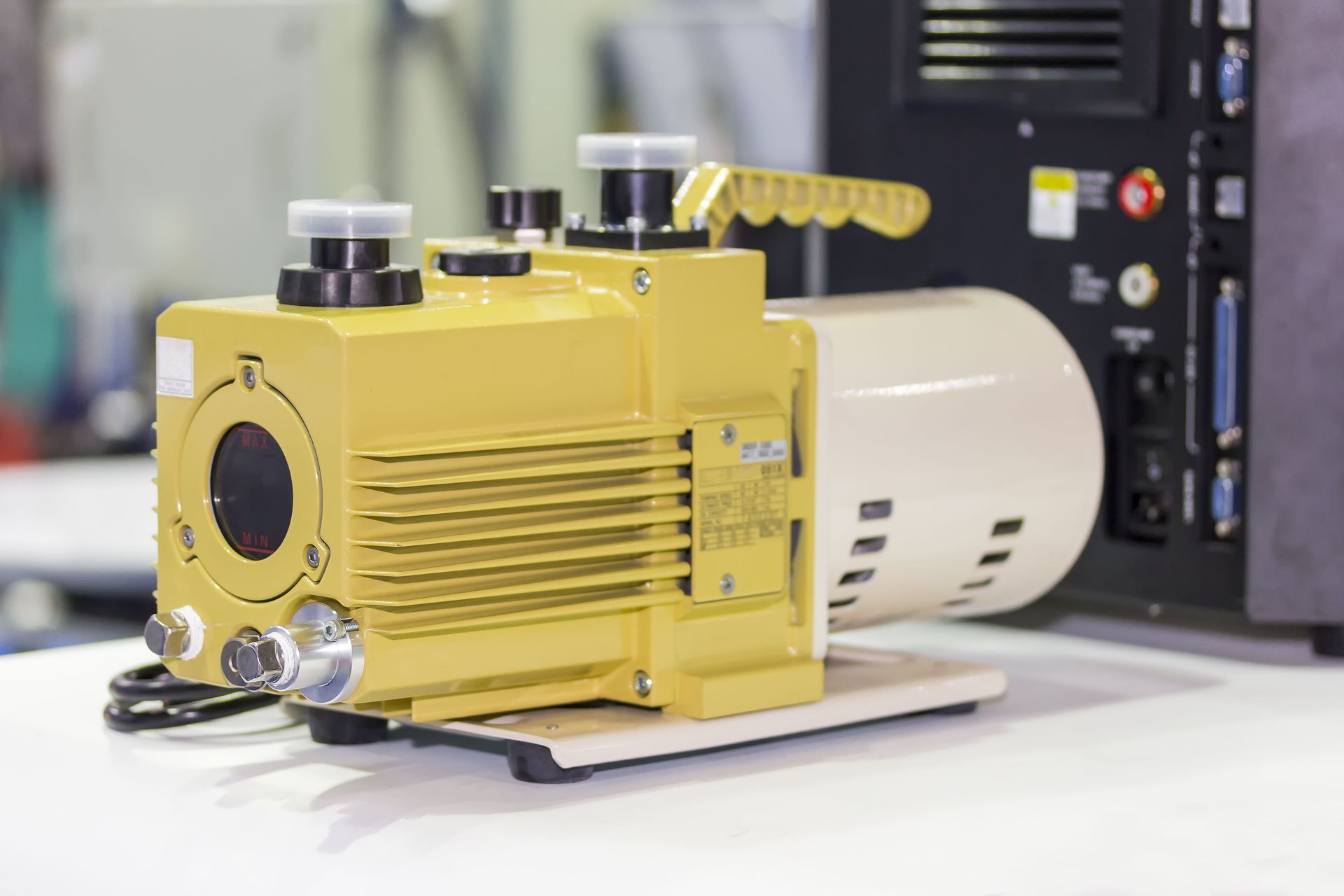
Vacuum pumps play a critical role in HVAC operations, yet they're often overlooked until performance issues start affecting jobs in the field. These tools are responsible for removing moisture, air, and contaminants from HVAC systems before charging refrigerant. When vacuum pumps begin to fail or underperform, the quality of installations and repairs can suffer quickly, leading to callbacks, inefficiencies, and frustrated customers.
With the scale of the industry continuing to grow, equipment reliability matters more than ever. According to ConsumerAffairs, there are approximately 990,000 plumbing and HVAC companies in the United States, all competing in a market where efficiency, accuracy, and service quality set companies apart. Knowing when it's time to replace aging equipment can protect your reputation and productivity. In this article, we'll walk through the most common signs that your HVAC company may need new vacuum pumps and why acting early can make a meaningful difference.
1. They Take Longer to Reach Proper Vacuum Levels
One of the earliest warning signs is increased evacuation time. When vacuum pumps are functioning properly, they should pull systems down to the required micron levels within a predictable timeframe. If technicians notice that evacuations are taking significantly longer than they used to, it's often a sign of internal wear.
Extended evacuation times slow down job completion and reduce daily productivity. Over time, this inefficiency adds up, affecting scheduling and labor costs. When a pump struggles to reach or maintain proper vacuum levels, replacement becomes a practical consideration rather than a convenience.
2. They Struggle to Maintain Consistent Micron Readings
Consistency is essential during evacuation. A healthy pump should be able to pull down and hold a stable vacuum once moisture and air are removed. If readings fluctuate or rise unexpectedly, the pump may no longer be sealing or operating effectively.
Inconsistent micron levels can lead to incomplete moisture removal, which compromises system performance. These fluctuations often point to worn seals, contaminated oil, or internal damage that may not be worth repairing on older units.
3. They Require Frequent Oil Changes or Top-Offs
While oil changes are a normal part of vacuum pump maintenance, excessive oil consumption is not. Pumps that require frequent oil changes or constant top-offs may have internal wear that allows oil to degrade more quickly.
Dirty or milky oil also suggests moisture contamination that the pump can no longer manage efficiently. When oil-related issues become routine rather than occasional, it may signal that the pump is nearing the end of its useful life.
4. They Produce Unusual Noises During Operation
Vacuum pumps are not silent tools, but experienced technicians know what normal operation sounds like. Grinding, rattling, or high-pitched whining noises often indicate internal mechanical problems.
These sounds can be caused by worn bearings, damaged vanes, or internal misalignment. Ignoring these noises risks sudden failure in the field, which can disrupt jobs and damage professional credibility. Persistent noise issues often justify replacement rather than repair.
5. They Overheat During Routine Use
Overheating is another red flag that should not be ignored. Vacuum pumps are designed to operate within a specific temperature range, even during extended use. If a pump becomes excessively hot during standard evacuations, internal friction or airflow issues may be present.
Overheating accelerates wear on internal components and shortens overall lifespan. Pumps that frequently overheat may also pose safety concerns for technicians handling the equipment.
6. They Fail to Remove Moisture Effectively
Moisture removal is one of the primary functions of vacuum pumps in HVAC work. When a pump can no longer remove moisture efficiently, systems may fail pressure tests or experience long-term performance problems.
Signs of moisture issues include slow evacuation, unstable micron readings, and recurring callbacks for the same systems. If technicians consistently struggle with moisture-related problems, the vacuum pump should be evaluated as a potential cause.
7. They Increase Jobsite Delays and Callbacks
Equipment problems often reveal themselves through workflow disruptions. If evacuations take longer, systems fail to hold vacuum, or installations require repeat visits, aging vacuum pumps may be contributing to the issue.
Callbacks are costly in terms of time, labor, and reputation. When unreliable equipment starts affecting customer satisfaction, replacing vacuum pumps becomes an investment in service quality rather than just a tool upgrade.
8. They Show Visible Wear or Physical Damage
Physical condition matters just as much as performance. Cracked housings, damaged ports, leaking seals, or worn fittings all indicate that a pump has endured significant wear.
While some external components can be repaired, visible damage often reflects deeper internal stress. Equipment that looks worn down typically performs the same way, making replacement a safer and more reliable option.
9. They Are No Longer Supported by Manufacturers
As technology evolves, older vacuum pump models may lose manufacturer support. This can make replacement parts harder to find and repairs more expensive or impractical.
Using unsupported equipment increases downtime risk if a failure occurs. Upgrading to newer vacuum pumps provides access to current parts, improved efficiency, and updated performance standards that support modern HVAC systems.
10. They Lack Efficiency Compared to Newer Models
Advancements in HVAC tools have led to more efficient, reliable vacuum pumps. Older units may require more time, energy, and maintenance to perform the same tasks that newer models handle with ease.
Efficiency differences become especially noticeable in high-volume operations. Investing in newer equipment helps HVAC companies keep pace with industry expectations and jobsite demands.
11. They Create Inconsistent Results Across Technicians
If some technicians report strong performance while others experience issues with the same pump, the equipment may be operating inconsistently. This can happen as internal components degrade unevenly.
Inconsistent results make training and quality control more difficult. Reliable tools help standardize procedures and outcomes across teams, improving overall performance.
12. They No Longer Align With Company Growth
As HVAC companies grow, equipment needs often change. Pumps that worked well for smaller workloads may struggle to keep up with increased demand or more complex systems.
If your company has expanded services, taken on larger projects, or increased job volume, older vacuum pumps may no longer be suitable. Upgrading equipment helps support continued growth without sacrificing efficiency.
13. They Require More Repairs Than Replacement Justifies
At a certain point, repair costs outweigh the value of keeping older equipment in service. Frequent repairs, downtime, and maintenance expenses can exceed the cost of replacing vacuum pumps entirely.
Evaluating total ownership costs helps clarify when replacement makes financial sense. Newer equipment often delivers better reliability and lower maintenance demands.
14. They Impact Technician Confidence and Efficiency
Technicians rely on tools they trust. When equipment becomes unreliable, it affects confidence and workflow. Crews may spend extra time troubleshooting equipment instead of focusing on the job.
Providing dependable vacuum pumps supports technician productivity and morale. Reliable tools allow teams to work efficiently and deliver consistent results.
Vacuum pumps are essential tools that directly affect HVAC system performance, installation quality, and customer satisfaction. Signs such as slow evacuation, inconsistent readings, overheating, and increased callbacks often point to equipment that has reached the end of its useful life. In an industry as competitive as HVAC, outdated tools can quietly undermine efficiency and service quality.
If your HVAC company is experiencing any of these warning signs, it may be time to evaluate your equipment and consider upgrading your vacuum pumps. Investing in reliable, modern tools helps protect your reputation, improve productivity, and support long-term growth. Reach out to Vacuum Pump Rebuilders today to assess your current setup and keep your operation running at peak performance.