September 23, 2026
When evaluating the efficiency of industrial equipment, many people immediately look at horsepower as the ultimate measure of capability. While motor strength is undeniably important, it only tells part of the story when it comes to achieving optimal results. This is especially true for systems designed to move gases and create specialized environments for various applications. According to Research and Markets, the United States holds a share of 88.70% in the vacuum pumps market. With such a massive concentration of industry reliance on these systems, understanding what truly drives their effectiveness is essential for businesses looking to maximize productivity. True operational success relies on a complex interplay of engineering, environmental factors, and ongoing care. Relying solely on a high horsepower rating can lead to inefficiencies, increased energy costs, and premature equipment failure. To truly harness the capabilities of this technology, operators must look beyond the motor and consider the entire system's design and operation.
The Role of Design in Efficiency
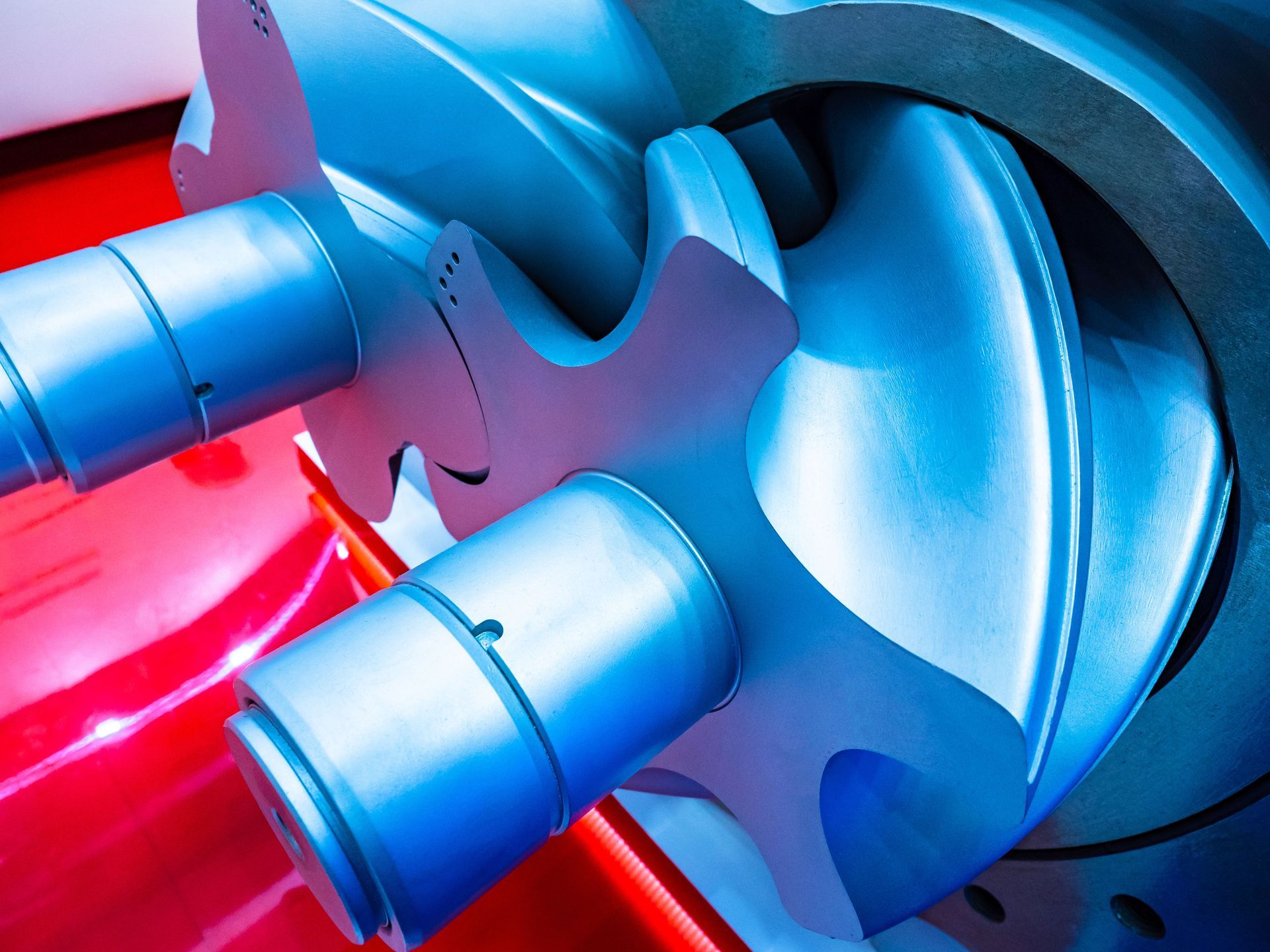
When selecting a vacuum pump, buyers often fixate on the motor's power output. However, the geometric layout and internal engineering of the unit play a far more significant role in determining how well it moves gases. Advanced design features, such as optimized rotor profiles and precision-machined clearances, ensure that the system operates with minimal internal friction. These design elements reduce the amount of energy lost as heat and vibration, allowing the system to achieve deeper pressure levels without requiring an oversized motor. Furthermore, the materials used in constructing the internal chambers dictate the unit's ability to withstand continuous operation. High-quality alloys and specialized coatings prevent wear and tear, ensuring that the internal geometry remains perfectly aligned over years of use. An intelligently designed system will always outperform a poorly constructed unit, regardless of how much horsepower is driving the motor. This highlights the necessity of evaluating the engineering principles behind the equipment rather than just the specifications on the motor's nameplate.
The Impact of Environmental Conditions
The surroundings in which a system operates dramatically influence its overall effectiveness and longevity. Ambient temperature, humidity levels, and airborne contaminants can severely degrade performance if not properly managed. For instance, operating in a highly humid environment can lead to moisture condensation within the internal chambers, which compromises the lubrication and creates corrosive conditions. Similarly, high ambient temperatures prevent the system from properly dissipating heat, leading to thermal expansion of internal components and increased friction. To counteract these environmental challenges, operators must implement appropriate climate control measures and robust filtration systems. Filtering the intake air prevents dust and debris from scoring the internal surfaces, which would otherwise lead to a loss of compression and efficiency. Even a highly rated vacuum pump will struggle to maintain optimal performance if it is forced to operate in a harsh, unconditioned environment. Therefore, understanding and mitigating environmental stressors is just as critical as selecting a powerful motor.
The Importance of Proper Maintenance
Consistent and thorough upkeep is fundamental to sustaining peak operational capacity over the lifespan of the equipment. Neglecting routine service intervals inevitably leads to a decline in efficiency, regardless of the initial motor strength. Regular oil changes are paramount, as the lubricant serves not only to reduce friction but also to seal the microscopic gaps between moving parts. As oil degrades from heat and contamination, its sealing properties diminish, resulting in internal leaks and reduced pressure capabilities. Additionally, checking and replacing worn seals, gaskets, and exhaust filters prevents unexpected breakdowns and maintains the integrity of the enclosed environment. Establishing a proactive maintenance schedule allows technicians to identify and rectify minor issues before they escalate into catastrophic failures. A well-maintained vacuum pump will consistently deliver reliable results, proving that diligent care is a far better guarantor of performance than raw horsepower. Ultimately, investing time and resources into preventive maintenance pays dividends in sustained productivity and reduced energy consumption.
The Significance of System Integration
The effectiveness of any industrial mechanism is heavily dependent on how well it integrates with the broader operational network. An isolated unit, no matter how powerful, cannot achieve optimal results if the surrounding infrastructure is flawed. The piping network, connecting valves, and collection chambers must be carefully designed to minimize resistance and prevent leaks. Restrictive piping with excessive bends or undersized diameters creates a bottleneck, forcing the motor to work harder to move the same volume of gas. This restriction negates the benefits of a strong motor and leads to unnecessary energy expenditure. Furthermore, the control systems and sensors must be accurately calibrated to ensure that the motor only runs at the required speed to maintain the necessary pressure. Proper integration ensures that every component works harmoniously, maximizing the overall efficiency of the entire setup. When a vacuum pump is seamlessly integrated into a well-designed network, it operates effortlessly, demonstrating that holistic system architecture supersedes isolated motor metrics.
The Value of Component Quality
Beyond the primary motor and the main housing, the auxiliary components attached to the system dictate its true operational ceiling. Inexpensive or poorly matched accessories can severely handicap a robust system, leading to chronic inefficiencies. High-quality intake filters, for example, provide excellent protection without creating excessive drag on the incoming airflow. Similarly, precision-engineered exhaust valves allow for the rapid expulsion of gases without allowing atmospheric air to seep back into the system. The quality of the electrical controllers and variable frequency drives also plays a pivotal role in modulating power consumption based on real-time demand. By utilizing premium components throughout the entire assembly, operators can ensure that no single piece of hardware acts as a weak link. A high-quality vacuum pump is only as reliable as the sum of its parts. Prioritizing top-tier components over sheer motor size results in a more stable, efficient, and durable solution for any industrial application.
The Dynamics of Fluid Mechanics
Understanding the behavior of vacuum pump gases as they move through enclosed spaces is vital for optimizing industrial equipment. Fluid dynamics principles dictate how gases compress, expand, and flow through the various chambers and exhaust ports. When a motor drives the internal mechanisms, it initiates a complex series of pressure changes that must be carefully managed to avoid turbulence. Excessive turbulence within the gas stream creates resistance, which the motor must overcome by consuming more electrical power. Engineers spend countless hours simulating these flow patterns to create internal geometries that encourage smooth, laminar flow. This smooth flow allows the system to move larger volumes of gas with significantly less effort. By mastering the principles of fluid mechanics, manufacturers can design systems that achieve remarkable efficiency ratings. Therefore, the fluid dynamic capabilities of the device often matter far more than the raw horsepower driving the primary moving parts. Proper flow management minimizes strain and extends the operational lifespan of the entire assembly.
Achieving superior operational results requires a comprehensive approach that looks far beyond the simple horsepower rating of a motor. As we have explored, factors ranging from internal geometry and environmental conditions to consistent maintenance and system integration all play monumental roles in determining overall efficiency. Relying on motor strength alone is an outdated approach that often leads to wasted energy and frequent mechanical failures. By prioritizing intelligent design, environmental management, and high-quality auxiliary components, industries can achieve deeper pressure levels and more reliable operations. If you are looking to optimize your industrial setup and need expert guidance on selecting or maintaining your equipment, we are ready to assist you with dedicated professional service. Call Vacuum Pump Rebuilders today to learn more about how our knowledgeable technicians can enhance your operational capabilities and secure long-lasting performance for your entire facility.