September 17, 2026
Maintaining high-performing industrial operations depends on the continuous reliability of essential machinery. When critical processing equipment encounters operational slowdowns or unexpected mechanical failures, facility managers must rapidly determine the best path forward to restore productivity. Decisions surrounding aging or damaged equipment often come down to a choice between comprehensive restoration services and a complete unit replacement. Evaluating equipment performance, operational overhead, and long-term capital expenditure allows business leaders to make informed choices that protect both operating budgets and production schedules. Understanding the indicators of mechanical stress and the technical benefits of professional vacuum pump repair helps organizations optimize equipment lifespans while controlling unexpected costs.
Every facility relies on specialized systems that must meet precise operational tolerances day after day. Unexpected downtime can ripple through supply chains, leading to missed deadlines and increased labor expenses. By assessing equipment condition early, facilities can determine whether reconditioning services will provide a cost-effective fix or if investing in new technology offers better long-term reliability. Exploring technical variables such as internal component wear, structural integrity, and overall operating history ensures that any chosen approach supports long-term business goals.
Recognizing Common Signs of System Degradation
Industrial machinery usually signals mechanical stress long before complete catastrophic failure occurs. Routine monitoring of system metrics provides early warnings that allow engineers to intervene before minor component wear causes widespread system damage. Unexpected drops in vacuum pressure, unusual noise generation, and excessive operational heat frequently point to internal friction, seal failure, or contaminated lubrication fluids.
Addressing these warning signs promptly through vacuum pump repair prevents isolated component failure from ruining surrounding mechanical assemblies. Ignoring subtle performance drops often leads to higher energy consumption, as degraded machinery works harder to maintain standard baseline outputs. Establishing regular visual and diagnostic inspection routines helps operators catch fluid leaks, excessive vibration, and pressure fluctuations early. Timely technical assessments ensure that minor internal adjustments or targeted seal replacements restore equipment to peak operating parameters without requiring full unit turnover.
Evaluating the Costs of Service versus Replacement
Budgetary constraints play a central role in every major equipment decision within an industrial environment. Investing in a brand-new system involves substantial upfront capital costs, along with potential expenses related to reconfiguring existing piping, electrical hookups, and mounting spaces. Conversely, selecting specialized vacuum pump repair allows companies to direct funds toward targeted component restoration, minimizing capital outlay while returning existing machinery to baseline specifications.
A thorough financial evaluation should look beyond initial purchase prices to consider total lifecycle costs. Reconditioning existing units preserves custom facility integrations, eliminates the need for extensive operator retraining, and avoids long manufacturer lead times for specialized replacement units. When internal housings and major structural components remain in sound physical condition, replacing worn internal bearings, vanes, or seals provides a high return on investment. This targeted strategy helps industrial operations maintain strict capital budgets while extending the functional utility of installed infrastructure.
Understanding Equipment Longevity and Design Life
Industrial processing machinery is manufactured to endure demanding work environments, high thermal stress, and continuous operating cycles over extended timeframes. The structural resilience of heavy-duty equipment means that core housings and drive systems often outlast minor wear components. Understanding the design life of specific machinery classes empowers engineering teams to make realistic long-term maintenance forecasts.
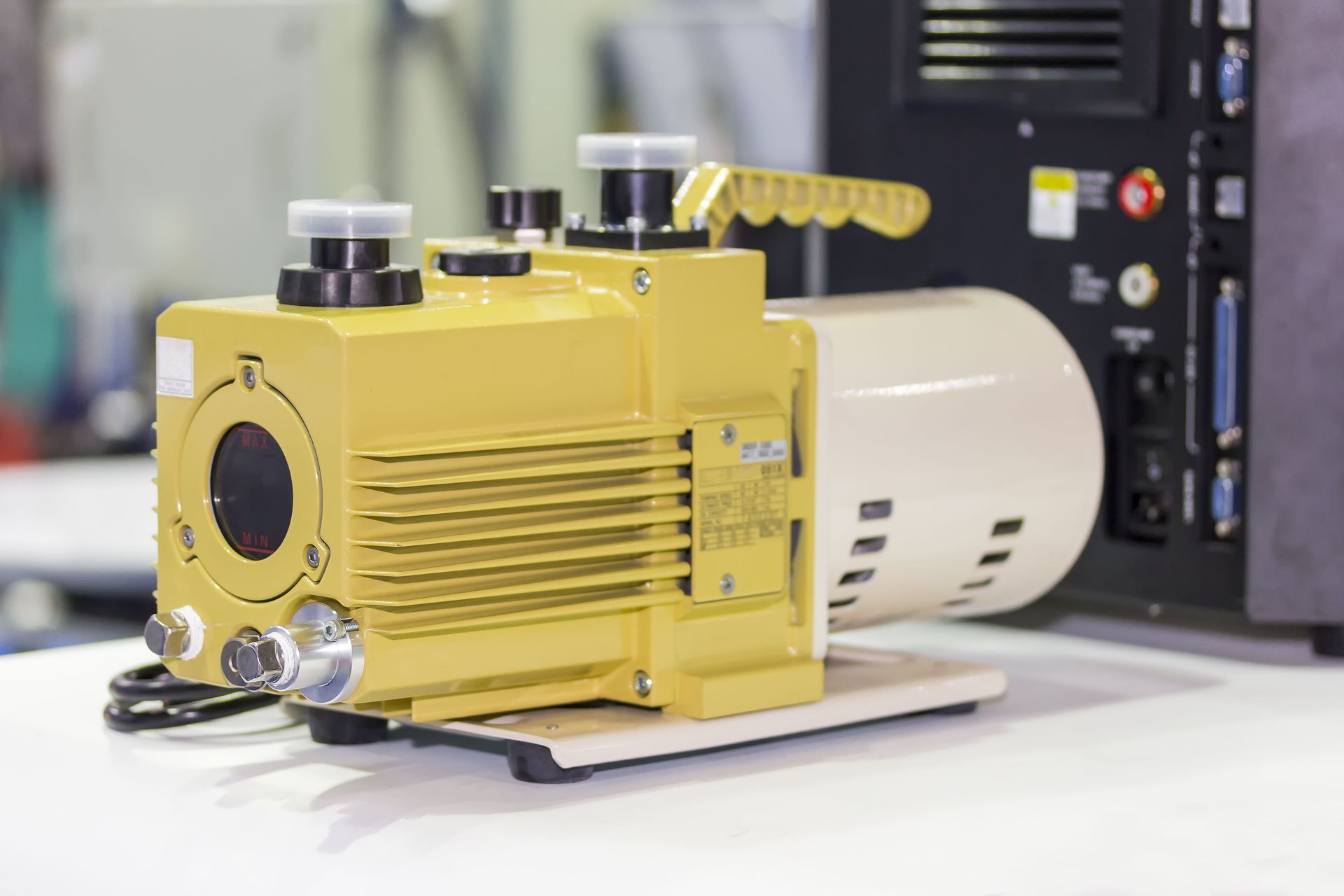
According to Blake and Pendleton, a rotary piston vacuum pump has a lifespan of over 20 years. Knowing that core mechanical designs offer decades of functional durability reinforces the value of timely reconditioning. Rather than replacing heavy cast housings that remain structurally sound, scheduling periodic vacuum pump repair ensures that internal tolerances remain precise throughout the extended lifecycle of the unit. Preserving durable assets through structured mechanical overhauls maximizes initial capital investments while reducing industrial waste.
Minimizing Production Downtime and Workflow Disruptions
Unplanned production stoppages represent one of the highest hidden costs in industrial management. When a vital unit fails unexpectedly, obtaining a replacement from the original equipment manufacturer can take weeks or months due to backorders, international shipping delays, or custom assembly processes. Extended lead times leave production lines idle and jeopardize customer commitments.
Targeted vacuum pump repair offers a streamlined alternative that significantly reduces facility downtime. Rebuilding existing machinery using specialized technicians allows for faster turnaround times and immediate integration back into the production line. Because the physical dimensions and connection points remain identical, installation is straightforward and avoids costly structural modifications. Rapid restoration keeps processing schedules intact, stabilizes supply chain commitments, and ensures that output targets remain consistent throughout the operational year.
Upgrading Internal Components During Rebuilds
Choosing to service existing machinery does not mean sacrificing access to modern technological advances. Comprehensive technical overhauls often incorporate advanced component materials and improved manufacturing standards that surpass original factory specifications. System restoration provides an ideal opportunity to integrate modern seal compounds, high-performance bearings, and superior internal coatings that enhance chemical and thermal resistance.
During a comprehensive vacuum pump repair, technicians inspect every internal surface to identify areas where modern engineering upgrades can improve durability. Installing modernized internal parts improves overall thermal management, lowers mechanical friction, and enhances energy efficiency. This process effectively modernizes older machinery, providing the performance advantages of contemporary equipment design without the excessive capital expense associated with buying entirely new systems.
Analyzing Environmental and Environmental Impact Advantages
Beyond direct financial savings, choosing restoration over wholesale replacement contributes significantly to industrial sustainability goals. Manufacturing raw industrial metals, machining massive iron casings, and transporting heavy machinery across global supply chains require immense energy expenditure and generate substantial carbon emissions. Extending the serviceability of existing assets drastically minimizes the demand for raw material extraction and reduces the volume of scrap machinery sent to industrial recycling facilities.
Opting for periodic vacuum pump repair supports circular economy principles within the manufacturing sector by keeping functional mechanical structures in active service for decades. Restoring precision tolerance levels, replacing degrading elastomers, and installing updated fluid filtration systems also prevent hazardous chemical leaks and lower overall energy consumption. Keeping existing units operating at peak thermal and mechanical efficiency ensures that facilities lower their overall environmental footprint while maintaining full operational output.
Implementing Proactive Maintenance to Extend Service Life
Long-term operational success relies on moving from reactive emergency fixes to structured, preventative care programs. Establishing a systematic schedule for fluid analysis, filter changes, and vibration monitoring extends the operational window between major mechanical overhauls. Consistent oversight prevents premature wear caused by particulate contamination or thermal degradation.
Partnering with experienced service professionals allows facilities to establish customized maintenance schedules tailored to specific production environments. When routine checks reveal wear patterns beyond standard field adjustments, scheduling timely vacuum pump repair keeps minor issues from cascading into major system overhauls. Proactive maintenance preserves internal component tolerances, stabilizes daily energy usage, and ensures that critical machinery delivers consistent, dependable performance year after year.
Deciding between equipment restoration and total replacement requires balancing operational demands, capital resources, and long-term production goals. For most industrial facilities, opting for specialized
vacuum pump repair provides a cost-effective, time-efficient solution that fully restores operational integrity while extending asset lifespans. Since 2009, our team has brought over 40 years of experience to every project, offering free same-day estimates to support your facility's unique operational needs. Located in Greentown, PA, and serving the entire United States, Vacuum Pump Rebuilders delivers reliable equipment solutions that keep your operations running smoothly. Contact us today to learn more about how we can support your business with comprehensive equipment evaluations and expert service solutions.