September 18, 2026
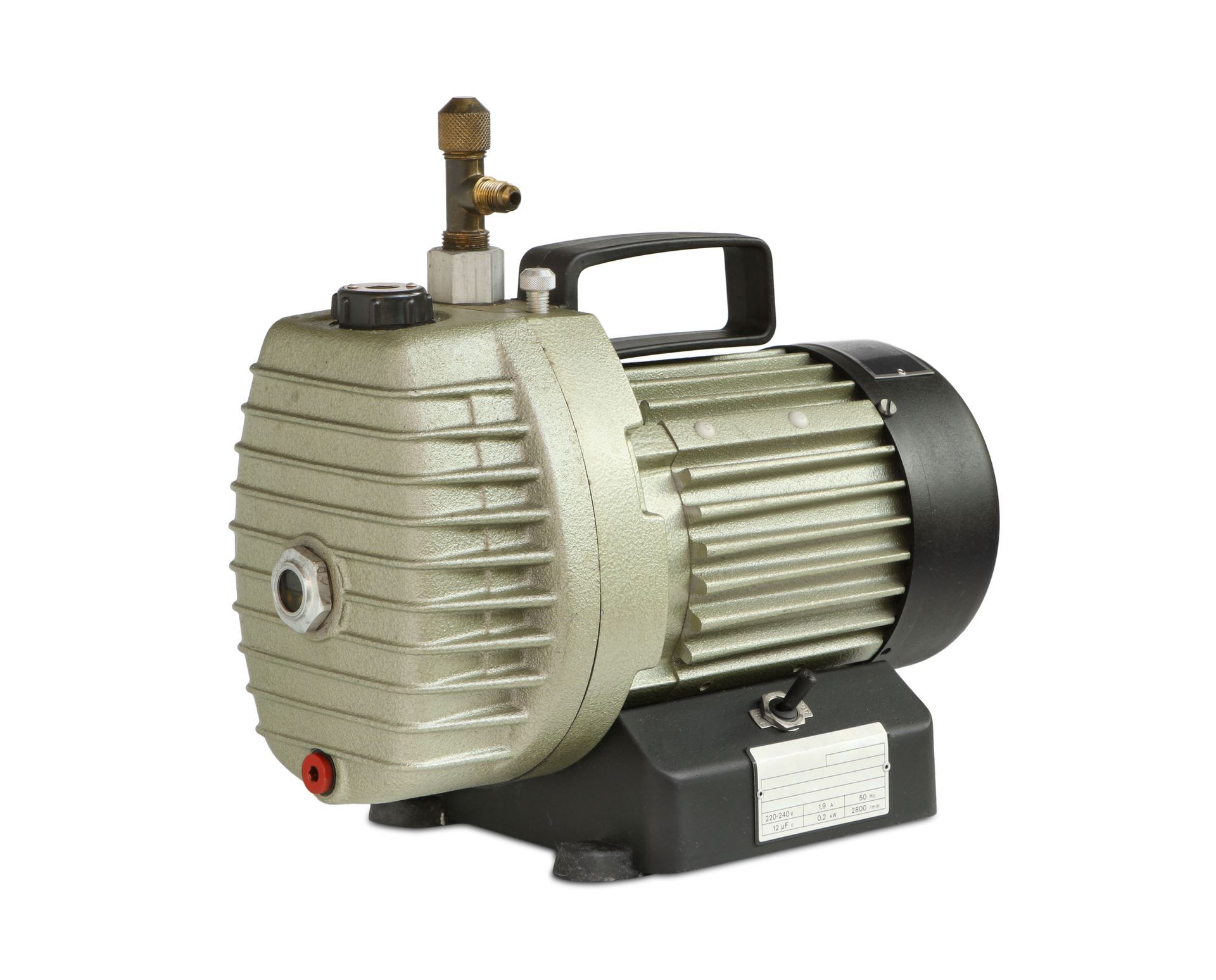
Vacuum pumps play an important role in many industrial and commercial operations. These machines create and maintain the vacuum levels needed for manufacturing, packaging, laboratory processes, and other specialized applications. Like any mechanical equipment, vacuum pumps can experience wear from regular use, contamination, and demanding operating conditions. Over time, worn components may reduce efficiency, increase operating costs, and affect production schedules. Rebuilding offers an alternative to replacing an entire pump when the existing equipment can be restored. Skilled technicians inspect the machine, identify damaged parts, and complete repairs designed to bring the pump back to reliable working condition. This process can help businesses extend equipment life while avoiding some of the costs associated with purchasing new machinery. Understanding how professional rebuilding works can help equipment owners make informed decisions about maintenance and repairs.
Evaluating the Pump’s Current Condition
The rebuilding process begins with a thorough inspection of the vacuum pump. Technicians examine the housing, internal components, seals, bearings, and other parts that may have experienced wear. They review the pump’s operating history and consider any symptoms reported by the equipment owner. Unusual noise, reduced vacuum levels, overheating, and increased oil consumption can provide useful clues about potential problems. The inspection also helps determine whether the pump is a suitable candidate for rebuilding. According to The Carpet and Rug Institute, a quality vacuum cleaner should generally be used at least once a week as a rule of thumb, although household cleaning equipment and industrial vacuum pumps serve different purposes. Regular care is important for both types of equipment, but industrial pumps require maintenance practices suited to their specific design. A detailed evaluation gives technicians the information needed to develop an appropriate rebuilding plan.
Disassembling the Pump Carefully
Once the pump has been evaluated, technicians disassemble it so its internal components can be examined individually. This stage requires attention to the pump’s construction because different models have different arrangements of moving parts. Components are removed in a controlled manner to prevent additional damage during the rebuilding process. Technicians may document the condition and position of parts before taking the pump apart. This information helps ensure that the machine can be reassembled correctly later. Each component is examined for signs of wear, contamination, corrosion, or other damage that could affect performance. The disassembly process also provides an opportunity to identify problems that may not have been visible from the outside. Careful handling at this stage helps establish a reliable foundation for the remaining rebuilding work.
Cleaning Internal Components
Cleaning is an important part of restoring a vacuum pump because contaminants can affect the operation of internal parts. Dust, oil residue, metal particles, and other materials may accumulate inside the pump during regular use. These contaminants can interfere with moving components and contribute to additional wear if they are not removed. Technicians use cleaning methods appropriate for the pump’s materials and construction. Each part is inspected after cleaning to determine whether it can be reused or needs replacement. Clean components also make it easier to identify cracks, surface damage, and other issues that may have been hidden beneath buildup. Professional vacuum pump service includes attention to cleanliness because contamination can undermine the performance of otherwise well-maintained equipment. Thorough cleaning helps prepare the pump for accurate inspection and proper reassembly.
Replacing Worn Parts
Replacing damaged or worn components is one of the most important steps in the rebuilding process. Technicians compare the condition of internal parts with the manufacturer's specifications and the requirements of the pump. Seals, bearings, vanes, gaskets, and other components may need replacement depending on the design and extent of wear. Some parts can be restored through machining or other approved repair methods when their condition allows. Using appropriate replacement components helps ensure that the rebuilt pump can operate as intended. Technicians must also consider how individual parts work together within the complete assembly. Replacing a worn component without addressing related damage may leave the original problem unresolved. A careful rebuilding process helps improve the reliability of the pump and reduce the risk of premature failure.
Restoring Mechanical Surfaces
Mechanical surfaces can experience wear that affects how components move and seal during operation. Scratches, scoring, uneven surfaces, and other imperfections may interfere with the pump’s ability to maintain the required vacuum level. Technicians inspect these surfaces to determine whether repairs or refinishing are necessary. Depending on the damage, machining or other specialized methods may help restore the proper dimensions and finish. Precision is important because small differences in component fit can affect pump performance. Technicians also check that repaired surfaces meet the specifications needed for the particular pump model. Professional vacuum pump service may include restoring these surfaces as part of a larger rebuilding process. Addressing surface damage can help improve the pump’s operation and reduce the likelihood of repeated problems.
Reassembling the Pump Precisely
After the components have been cleaned, inspected, and repaired, technicians begin reassembling the vacuum pump. Each part must be installed in the correct position and according to the manufacturer's specifications. Proper alignment is important because misaligned components can create additional friction, noise, or uneven wear. Technicians check clearances, fasteners, seals, and other assembly details as the pump is rebuilt. Lubrication requirements must also be addressed so moving components can operate smoothly. The reassembly process requires careful attention to detail because a small mistake can affect the performance of the entire machine. Experienced technicians use appropriate tools and procedures to help ensure that the rebuilt pump is assembled correctly. A precise reassembly gives the pump a stronger foundation for testing and future operation.
Testing Vacuum Performance
Testing allows technicians to determine whether the rebuilt pump performs as expected before it returns to service. The pump may be evaluated for vacuum level, operating noise, temperature, and other performance characteristics. These tests can reveal issues that are not immediately apparent during visual inspection or assembly. Technicians compare the results with the pump’s specifications and the requirements of its intended application. If the machine does not meet the necessary standards, additional adjustments or repairs may be required. Testing also helps confirm that seals, bearings, and other components are functioning properly together. Professional vacuum pump service often includes performance checks that provide useful information about the condition of the rebuilt equipment. A successful test helps establish whether the pump is ready for return to the customer's operation.
Improving Equipment Reliability
A properly rebuilt vacuum pump can help businesses maintain dependable equipment performance and reduce unnecessary interruptions. Restoring worn components may improve the pump’s ability to maintain consistent vacuum levels during operation. Rebuilding can also address problems that contribute to excessive noise, overheating, or inefficient operation. Businesses may benefit from having existing equipment restored rather than immediately replacing it with a new machine. However, the condition of the pump and the availability of suitable replacement parts should be considered before choosing rebuilding. Professional vacuum pump service can help identify whether restoration is practical for a particular application. Regular maintenance after rebuilding is important because restored equipment still requires appropriate care and monitoring. A combination of professional repairs and consistent maintenance can help extend the useful life of a vacuum pump.
For reliable vacuum pump rebuilding and repair solutions, contact Vacuum Pump Rebuilders to discuss your equipment needs and learn how professional service can help restore your pump’s performance.