October 22, 2026
Vacuum systems are designed to meet different operating requirements, and selecting the right equipment requires an understanding of the process involved. Factors such as required vacuum level, pumping speed, gas composition, operating temperature, and exposure to contaminants can influence equipment suitability. A vacuum pump company can help evaluate these requirements and identify equipment that aligns with the facility's production objectives. This guidance is valuable when businesses are purchasing replacement equipment or designing a system for a new application.
Choosing a pump based only on its initial specifications can overlook important operational considerations. A system that performs well in one environment may be unsuitable for another because of differences in moisture, chemical exposure, or continuous operating demands. A knowledgeable provider can explain the distinctions between available pump technologies and help businesses compare their capabilities. This process supports a more informed selection that accounts for current needs and the conditions under which the equipment must operate.
Improving Reliability Through Preventive Maintenance
Routine maintenance helps vacuum pumps operate consistently and can reduce the likelihood of unexpected equipment problems. Depending on the pump design and application, maintenance requirements may involve inspections, lubrication, seal replacement, filter changes, and monitoring operating performance. A qualified service provider can help establish an appropriate maintenance schedule based on equipment specifications, usage patterns, and operating conditions. Consistent attention to these requirements can help businesses identify developing concerns before they cause major interruptions.
A vacuum pump company can also help maintenance teams understand which service tasks are recommended for particular models and applications. Keeping accurate maintenance records makes it easier to identify recurring issues, track component replacements, and evaluate changes in performance. These records can support more effective planning and help determine when a pump needs additional inspection or more extensive service. A preventive approach provides greater visibility into equipment condition and helps facilities make maintenance decisions based on documented needs.
Resolving Equipment Problems With Specialized Support
When a vacuum pump experiences reduced performance, unusual noise, overheating, or difficulty reaching its required vacuum level, the cause may not be immediately apparent. Problems can involve worn components, leaks, lubrication issues, contamination, or conditions elsewhere in the system. Professional troubleshooting helps distinguish between possible causes and identify the most appropriate corrective action. This is particularly important when equipment performance directly affects product quality, production schedules, or other critical operations.
Specialized technicians can evaluate symptoms, inspect relevant components, and recommend repair options based on their findings. A vacuum pump company may also help determine whether a problem can be resolved through component replacement, servicing, or a more extensive rebuild. Accurate diagnosis can prevent businesses from replacing equipment unnecessarily or overlooking an underlying issue. Clear explanations of the findings and recommended work help facility managers plan repairs while understanding the potential impact on ongoing operations.
Reducing Operating Costs Through Informed Decisions
The purchase price of a vacuum pump represents only one part of its overall operating cost. Energy consumption, maintenance requirements, replacement components, downtime, and service life can all influence the total expense associated with equipment ownership. A pump that appears economical initially may create higher long-term costs if it is poorly matched to the application or requires frequent intervention. Evaluating these factors helps businesses make decisions that account for ongoing performance rather than focusing exclusively on upfront spending.
Working with a vacuum pump company can help organizations compare service options and understand the potential financial implications of different equipment choices. For example, repairing a pump may be appropriate when the underlying equipment remains suitable and the necessary work is economically reasonable. In other cases, replacement may offer advantages when a unit is extensively worn or no longer meets operational requirements. Reviewing these choices with a knowledgeable provider helps businesses allocate maintenance budgets more effectively and make decisions based on their operating priorities.
Supporting Production Efficiency and Process Consistency
Many industrial processes depend on maintaining specific vacuum conditions throughout production. Variations in pressure, pumping speed, or system performance can affect cycle times, product consistency, and the reliability of downstream equipment. Vacuum pumps are used in applications such as packaging, material handling, drying, filtration, and manufacturing processes that require controlled pressure environments. Reliable operation therefore contributes to the broader performance of the production system.
A service partner can help businesses assess whether their existing pumps continue to meet process requirements. Changes in production volume, materials, or operating schedules may affect the demands placed on equipment over time. A vacuum pump company can help evaluate performance concerns and identify whether maintenance, system adjustments, or different equipment may be appropriate. Addressing these issues can help businesses maintain more consistent operating conditions and make better-informed decisions about improvements to their production processes.
Evaluating Rotary Pump Options and Market Trends
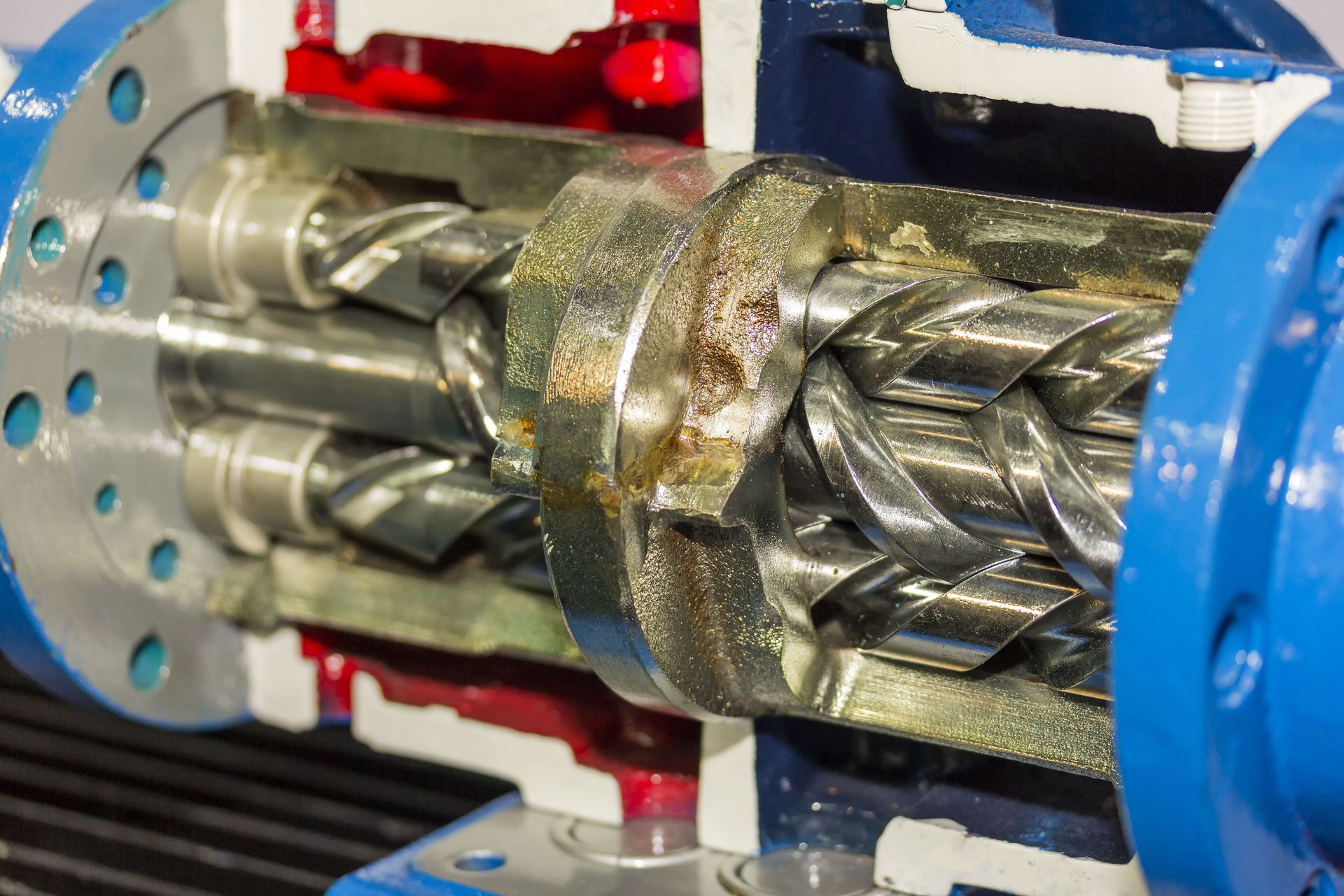
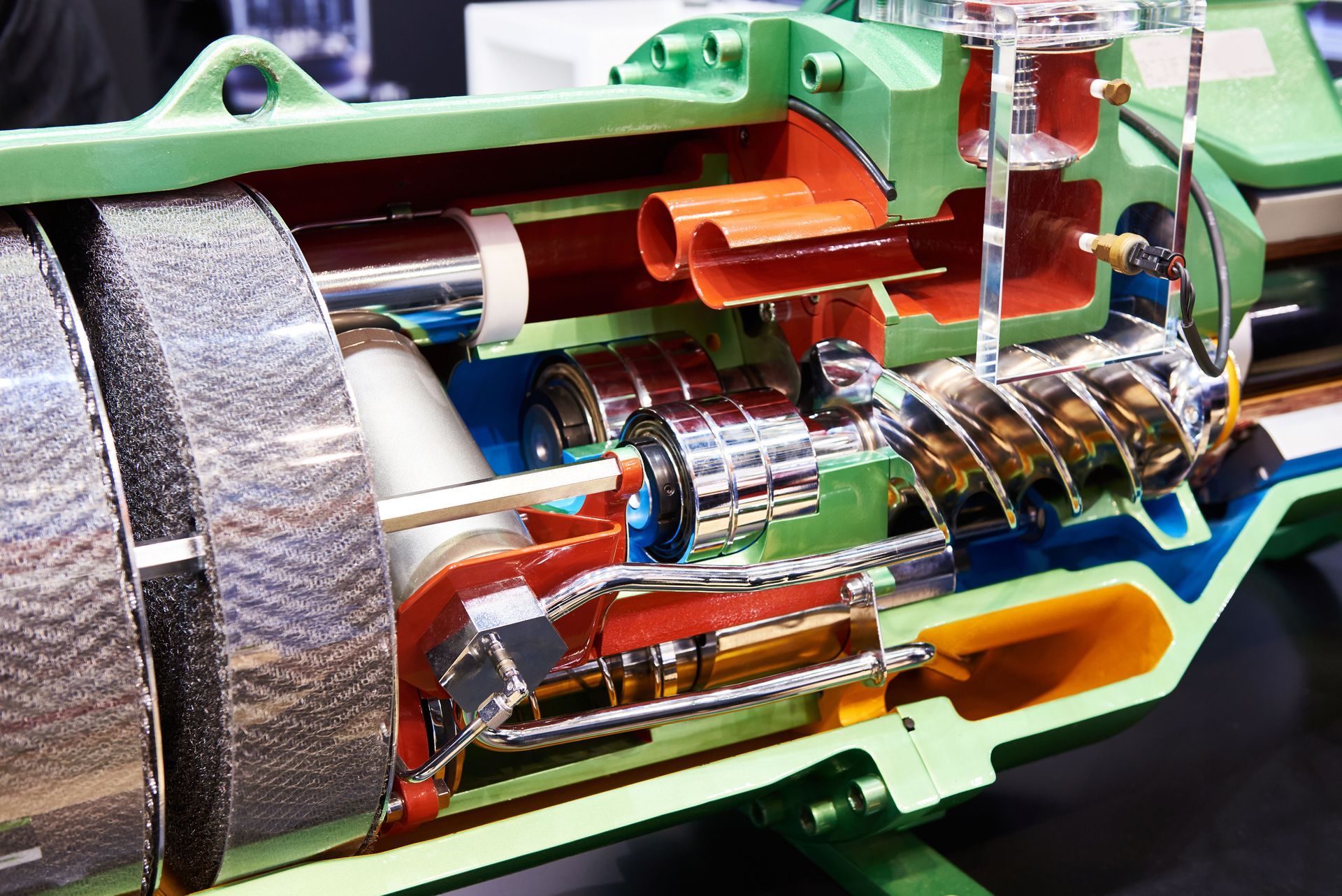
Different pump technologies serve different purposes, making it important to understand how equipment categories relate to industrial requirements. Rotary vacuum pumps are used in numerous applications because different rotary designs can support a range of operating conditions and vacuum needs. However, suitability still depends on the specific model, system configuration, and process environment. Reviewing these factors with a qualified provider helps ensure that the selected technology matches the intended application.
Market research also illustrates the importance of rotary equipment within the wider industry. According to Coherent Market Insights, rotary vacuum pumps are projected to represent approximately 36% of the global vacuum pump market in 2026. This share highlights their significant position among the available pump technologies, although it does not mean that rotary pumps are the best choice for every operation. Businesses should assess equipment based on performance requirements, maintenance needs, and compatibility with their processes rather than market popularity alone.
Planning Equipment Upgrades and Future Requirements
Production needs can change as businesses expand, introduce new processes, or adjust existing operations. Equipment that once met a facility's requirements may eventually become less suitable because of increased demand, different materials, or more demanding operating conditions. Planning for these changes helps businesses evaluate whether their current vacuum systems can continue to support production goals. It also creates an opportunity to consider equipment improvements before existing limitations cause significant disruption.
A
vacuum pump company can help review current system capabilities and discuss options for future requirements. This may involve assessing pumping capacity, operating conditions, maintenance history, and compatibility with other equipment. Businesses can then consider whether continued servicing, rebuilding, or replacement best supports their plans. Planning in advance also gives facility managers more time to coordinate purchasing, installation, and service arrangements. Taking a longer-term view of equipment needs can help organizations make upgrades in a more controlled and informed manner.
Establishing Long-Term Equipment Service Support
A dependable service relationship can provide value beyond individual repairs or equipment purchases. When a provider understands a facility's applications, equipment history, and operating priorities, communication about maintenance and troubleshooting can become more efficient. Familiarity with existing systems may also help technicians evaluate recurring concerns and identify patterns that deserve further investigation. This continuity is especially useful for businesses operating multiple pumps or relying on vacuum equipment across several production stages.
Reliable vacuum equipment supports important industrial processes, and selecting the right service partner can make equipment management more straightforward. Vacuum Pump Rebuilders can help businesses evaluate their vacuum pump needs, address performance concerns, and consider appropriate maintenance or repair options. Whether your facility needs help with an existing unit or is assessing its next equipment decision, professional guidance can help clarify the available choices.
At Vacuum Pump Rebuilders, we understand that equipment reliability, operating efficiency, and effective maintenance planning matter to industrial operations. We can discuss your equipment concerns and help you determine the appropriate next steps based on your application and service requirements. Contact Vacuum Pump Rebuilders to learn more about our vacuum pump services and how we can help support your equipment's performance and long-term operating needs.